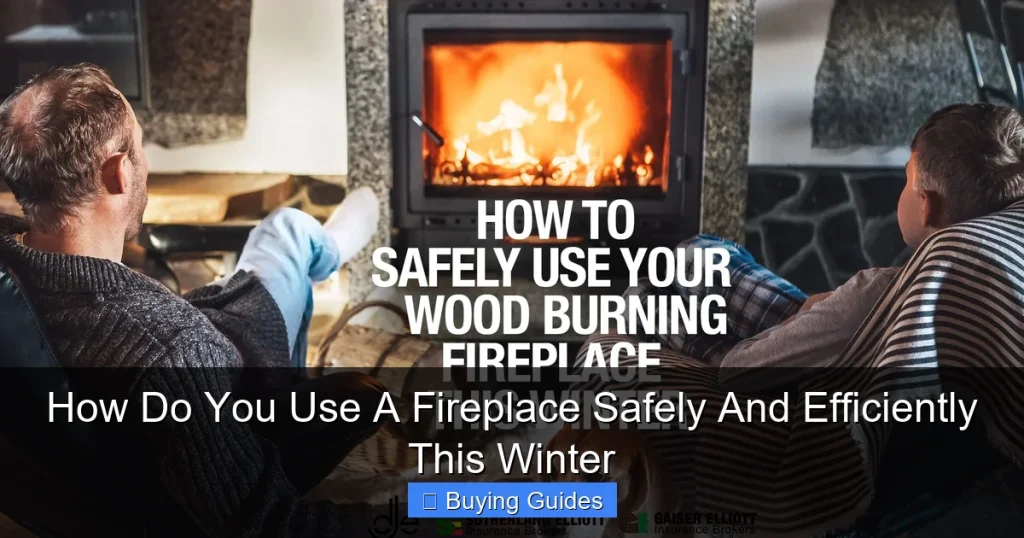
Mastering the art of using a fireplace is the perfect way to bring warmth and comfort to your home during the cold winter months. By following key safety protocols and learning the best techniques for fire management, you can keep your space cozy while ensuring your family stays safe.
- Annual Maintenance: Always schedule a professional chimney sweep before the first use of the season to prevent chimney fires.
- Fuel Selection: Use only seasoned, dry hardwood to ensure a clean, long-lasting burn with minimal smoke.
- Ventilation Matters: Always ensure your damper is fully open before lighting a fire and keep it open until the ashes are completely cold.
- Safety First: Install smoke and carbon monoxide detectors in every room with a fireplace to provide an early warning system.
- Ash Management: Dispose of ashes in a metal container with a lid, keeping it well away from your home or deck.
- Temperature Control: Learn how to properly manage airflow using your fireplace controls to maximize heat output and energy efficiency.
📑 Table of Contents
Understanding Your Fireplace System
There is truly nothing like the crackle of wood and the soft glow of flames to make a house feel like a home. When the temperature drops, knowing how do you use a fireplace effectively becomes a vital skill. Whether you are a long-time homeowner or new to the world of hearth care, understanding the basics is essential. It is not just about lighting a match; it is about managing airflow, fuel, and fire safety to create a consistent heat source that saves you money on your utility bills.
Before you even think about lighting your first log of the year, you need to understand the mechanics of your specific setup. If you are curious about the technical aspects, learning how a fireplace works is a great place to start. A fireplace is essentially an air-exchange system. It pulls cool air from the room, heats it up, and sends it back out while venting smoke and gases through the chimney. If you ever find yourself thinking about upgrades, many people explore what is a gas fireplace compared to a wood-burning one, as each has different operational needs for optimal efficiency.
Preparing for a Safe Burning Season
The Importance of a Clean Chimney
The biggest threat to a fireplace user is creosote buildup. This sticky, flammable byproduct of wood smoke clings to the inside of your chimney. If it builds up too thick, it can ignite, causing a dangerous chimney fire. Hiring a chimney sweep once a year is the best insurance policy you can buy. They will clear out debris, bird nests, and soot, ensuring that smoke vents properly and does not back up into your living area.
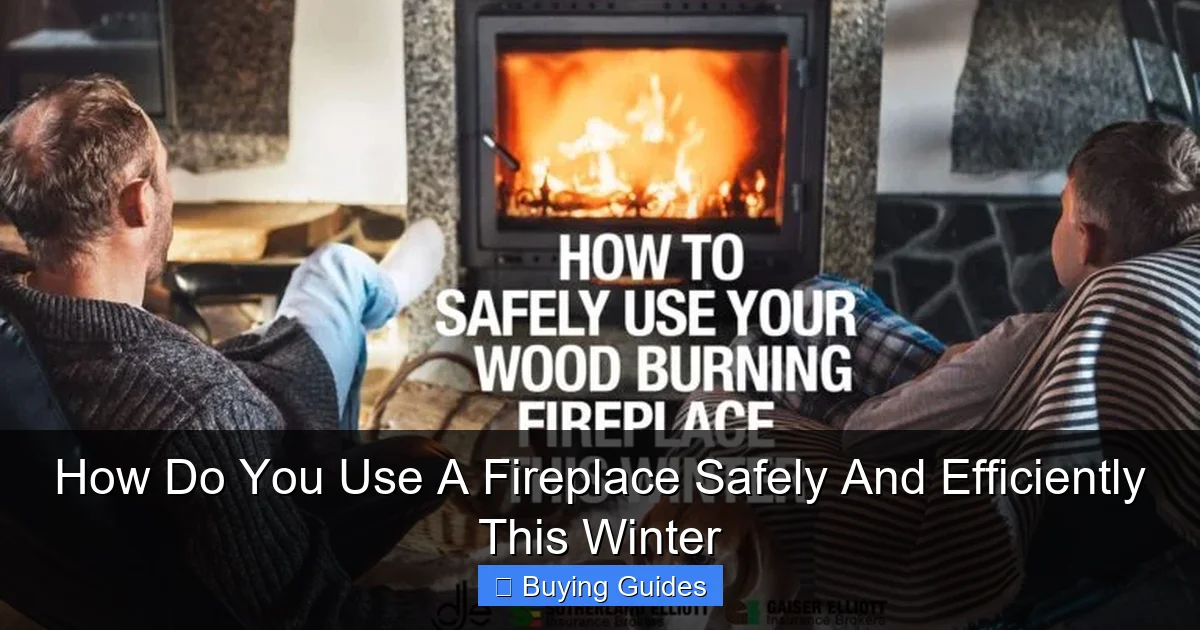
Visual guide about How Do You Use A Fireplace Safely And Efficiently This Winter
Image source: davidjelliott.ca
Safety Equipment Essentials
Safety is the top priority when managing a fire. Always keep a fire extinguisher nearby that is rated for wood fires. Furthermore, check your smoke and carbon monoxide detectors every month. These simple devices are your first line of defense if something goes wrong. If you are ever planning major structural changes, such as how you might approach how to build a fireplace step by step, remember that safety standards and proper ventilation should always be baked into the design process from the very beginning.
Choosing the Right Fuel
Not all wood is created equal. To use your fireplace efficiently, you must use seasoned firewood. “Seasoned” means the wood has been cut and dried for at least six to twelve months. Burning green or damp wood is one of the most common mistakes people make. It produces significantly less heat because the fire has to waste energy evaporating the water inside the wood. It also creates excess smoke, which leads to faster creosote buildup.
Hardwoods like oak, maple, and cherry are your best options. They are dense and burn longer, providing a consistent heat output. Softwoods like pine are fine for starting a fire, but they tend to pop and spit embers more often. Always store your wood off the ground and keep it covered to ensure it stays dry throughout the winter.
How to Start and Maintain a Fire
Once you have your seasoned wood ready, the way you arrange it matters. Many people prefer the “top-down” method for starting a fire. By placing your largest logs on the bottom and smaller kindling on top, the fire burns downward. This creates less smoke and produces a much cleaner ignition. It also helps the chimney reach the proper temperature faster, which improves the “draw” or airflow that pulls smoke up the chimney.
Once the fire is established, keep an eye on the airflow. If your fireplace has a damper, ensure it is fully open. You do not want to starve the fire of oxygen, as this will lead to smoldering and poor air quality in your home. Adding wood one log at a time is much more efficient than stuffing the fireplace completely full. This allows the flames to lick the wood properly, keeping the burn consistent and long-lasting.
Improving Efficiency for Winter Warmth
A fireplace can be a great backup heat source, but you want to make sure the heat stays in the room. A common issue is the “heat loss” that happens when the fireplace is not in use. If your damper is left open, warm air from your house will escape right up the chimney, much like leaving a window open. Always close the damper once the ashes are completely cold to prevent this draft.
Consider using a glass fireplace door or a grate system that pushes heat into the room. These simple additions can drastically improve how your fireplace performs. If you want to take it a step further, look into heat-reflecting materials or firebacks. These metal plates sit at the back of the fireplace and radiate heat back into your room rather than letting it get absorbed by the masonry walls.
Common Mistakes to Avoid
One of the biggest mistakes people make is over-firing. While it might be tempting to build a roaring inferno to combat extreme cold, doing so can damage the masonry of your fireplace over time. Keep the fire at a manageable size. Also, never burn household trash or treated lumber. Treated wood can release toxic chemicals into your home, and trash often contains plastics that can create harmful fumes. Only ever burn clean, natural, dried wood.
Finally, never leave a fire unattended. Even if you are going to bed, wait until the fire is reduced to embers and you are certain no stray sparks are present before closing the screen. If you have pets or children, make sure there is a sturdy hearth gate or barrier in place to prevent accidental contact with the hot surface of the fireplace. By being mindful and prepared, you can enjoy a safe and cozy winter season.
Conclusion
Learning how do you use a fireplace is a rewarding journey that blends tradition with modern safety practices. By focusing on annual maintenance, choosing high-quality wood, and managing your airflow, you can turn your fireplace into a reliable and efficient heat source. Whether you are looking to save on heating costs or simply want to create a relaxing atmosphere for your family, these tips will help you make the most of your hearth. Stay warm, stay safe, and enjoy the comfort of your fireplace this winter.
Frequently Asked Questions
How often should I clean my fireplace?
You should have your fireplace and chimney professionally inspected and cleaned at least once a year, preferably before the start of the winter season. If you use your fireplace frequently, you may need additional cleanings to prevent dangerous creosote buildup.
Can I burn store-bought fire logs?
Yes, manufactured fire logs are designed for easy use and low smoke emissions, but you should only use one at a time. Always check the manufacturer’s instructions, as some fireplaces with specific internal components may not be compatible with certain types of synthetic logs.
What should I do if my fireplace is smoking back into the room?
This is usually caused by a cold chimney that hasn’t established a proper “draw” or an incorrectly positioned damper. Try holding a lit rolled-up newspaper near the damper for a few minutes before starting your fire to warm the air in the flue and encourage an upward draft.
Is it safe to leave a fireplace burning while I sleep?
No, you should never leave a fire unattended, especially while sleeping. Always allow the fire to die down to embers and ensure the screen is securely closed before you go to bed or leave your home.
How do I know if my wood is dry enough to burn?
Dry, seasoned wood should sound hollow when two pieces are knocked together rather than making a dull thud. You can also look for radial cracks on the ends of the logs and a lighter weight compared to fresh-cut wood.
What is the best way to dispose of fireplace ashes?
Let the ashes cool for at least 24 to 48 hours before removal, as they can hide hot coals for days. Always place the ashes in a metal container with a tight-fitting metal lid and store the container outside on a non-combustible surface, far away from your home.