
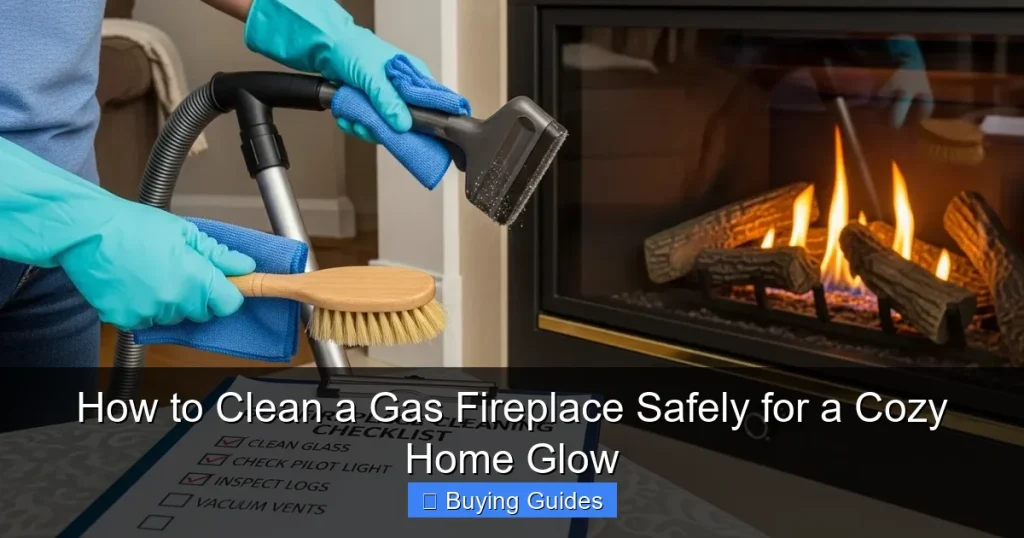
Cleaning your gas fireplace is a simple way to improve indoor air quality and ensure your unit runs efficiently. By following these straightforward maintenance steps, you can keep your fireplace glowing beautifully while keeping your family safe all winter long.
- Safety First: Always turn off the gas supply and wait for the unit to cool completely before starting any cleaning tasks.
- Gentle Cleaning: Use a soft brush or vacuum with a brush attachment to remove dust, as harsh chemicals can damage components.
- Glass Care: Clean the fireplace glass using specialized gas fireplace glass cleaners to prevent etching and ensure a clear view.
- Log Inspection: Check your ceramic logs for cracks or signs of wear, as damaged logs can cause improper gas flow.
- Professional Check-ups: Schedule a professional inspection annually to ensure valves, burners, and pilots are functioning safely.
📑 Table of Contents
How to Clean a Gas Fireplace Safely for a Cozy Home Glow
There is nothing quite like the warmth of a fire on a chilly evening. If you have a gas unit, you already know how convenient it is to enjoy those flames with just the flip of a switch or the press of a remote button. However, even the most modern units require a little bit of care to stay in top shape. Learning how to clean a gas fireplace safely ensures that you can enjoy that cozy glow without any worries about efficiency or air quality.
Many homeowners feel intimidated by the internal components of their heating units. While it might look complex, cleaning is mostly about removing dust and checking for minor wear. If you have ever wondered what is a gas fireplace really doing behind the scenes, it is essentially a controlled combustion system that needs a clean path for air to move. Keeping that path clear helps you maintain a beautiful, consistent flame all season long.
Preparing for Your Cleaning Session

Visual guide about How to Clean a Gas Fireplace Safely for a Cozy Home Glow
Image source: d2nnm6ppct4rc3.cloudfront.net
Before you grab your cleaning supplies, you must put safety at the top of your list. Never attempt to clean a fireplace that is still warm or connected to an active gas line. Give the unit at least one hour to cool down completely after the last time it was used.
Turning Off the Gas
Locate the shut-off valve near your fireplace and turn it to the “off” position. If you have a pilot light, you should turn that off as well. If you are unsure about the location of your valve or how the system is set up, check your owner’s manual. Understanding how your fireplace works is the best way to handle maintenance with confidence.
Cleaning the Exterior and Glass
The most visible part of your fireplace is the glass front. Over time, this can become hazy due to dust, pet dander, or light residue. Cleaning the glass not only makes the fire look better, but it also allows you to inspect the interior more clearly.
Handling the Glass Panel
Carefully remove the glass cover according to the manufacturer’s instructions. Most units use clips or screws. Lay the glass on a soft towel or blanket to prevent scratches. Use a specialized fireplace glass cleaner rather than standard household glass cleaner, as harsh chemicals can leave streaks or cause permanent damage when heated later.
Wiping Down the Surround
Once the glass is off, you can gently wipe down the frame and the metal surround. Use a soft, lint-free cloth and mild soap if needed. If your fireplace features decorative stonework, you might be interested in learning how to install fireplace stone veneer if you ever decide to update the look of your hearth area. Keeping the surrounding area clean helps prevent dust from being drawn into the burner during operation.
Managing Ceramic Logs and Embers
Your ceramic logs are the heart of the fireplace’s aesthetic. Because they are delicate, they need to be handled with extreme care. If you move them out of place, they might cause the flame to lick the glass or soot up the unit, which can be a safety concern.
Gentle Dusting
Take a soft-bristled brush and gently whisk away any dust or spiderwebs from the logs. Do not use water or liquid cleaners on the logs, as this can weaken the material. If you notice any cracks, contact a professional to see if the logs need replacing.
Checking the Embers
Many gas fireplaces use artificial embers for a glowing effect. Over time, these can clump together. Carefully fluff them up or replace them if they look worn down. Proper placement of these embers is essential to ensure a clean, efficient burn.
Cleaning the Burner and Pilot Assembly
The burner and pilot assembly are the “engine” of your fireplace. If these parts get blocked by dust or pet hair, you might notice an orange flame or poor ignition.
Using a Vacuum Attachment
Use a vacuum cleaner with a soft brush attachment to gently clean the area around the burner ports. Avoid pushing debris into the holes. If you see stubborn dust inside the ports, use a can of compressed air to blow it out gently.
Professional Maintenance
While you can handle basic dusting, remember that the gas valve and pilot assembly are precise components. If you notice the pilot light flickering or struggling to stay lit, do not try to “fix” it yourself. Annual professional servicing is a great way to ensure that your fireplace stays safe and efficient for many years.
Finishing Up and Safety Checks
Once you have finished your cleaning, it is time to reassemble your fireplace. Ensure all clips and screws are tightened securely. Never run your fireplace with the glass off or loosely attached, as this can lead to improper combustion.
The First Test Burn
After putting everything back together, turn your gas supply back on and relight the pilot. Keep an eye on the flames for a few minutes. They should be a steady blue or warm yellow color. If the flame looks strange or you notice an unusual smell, turn the unit off immediately and call a professional. Regular maintenance is the key to enjoying your home safely. If you love the ambiance, you might want to look into other resources on how to build a fireplace step by step to improve your home’s comfort in other rooms.
Conclusion
Cleaning your gas fireplace is a rewarding task that keeps your home warm and your living space looking sharp. By keeping the glass clear, the burner free of debris, and the logs in their proper position, you ensure that your fireplace functions exactly as intended. Stick to these safe cleaning habits, and you will enjoy a beautiful, flickering glow all winter long.
Frequently Asked Questions
How often should I clean my gas fireplace?
It is recommended to clean your gas fireplace at least once a year, preferably before the start of the heating season. If you use your fireplace very frequently, you may want to give the glass a quick wipe-down mid-season to keep it clear.
Can I use regular glass cleaner on my fireplace?
No, you should avoid standard ammonia-based household glass cleaners. These products can leave a residue that becomes permanent or creates a film when the glass heats up, so always use a cleaner specifically designed for gas fireplace glass.
Why is my flame turning orange instead of blue?
An orange or yellow flame often indicates that the burner is not getting enough air or that the ceramic logs are positioned incorrectly. It can also be a sign of soot buildup, so it is a good idea to perform a thorough cleaning or call a pro if the color persists.
Is it safe to move the ceramic logs?
You can move them for cleaning, but you must refer to your owner’s manual for the exact placement. Logs are designed to sit in specific spots to ensure proper airflow and combustion, so placing them incorrectly can be a safety hazard.
What should I do if I smell gas while cleaning?
If you smell gas, stop what you are doing immediately, leave the house, and call your gas utility company or local fire department from a safe distance. Never attempt to troubleshoot a gas leak yourself.
Do I need to hire a professional every year?
While you can handle the basic cleaning, an annual professional inspection is highly recommended. A technician will check the internal valves, gas pressure, and safety sensors to ensure the unit is operating safely.
Pingback: 5 Best Outdoor Gas Fire Tables for a Stylish Backyard Upgrade - Fireplace Guides