
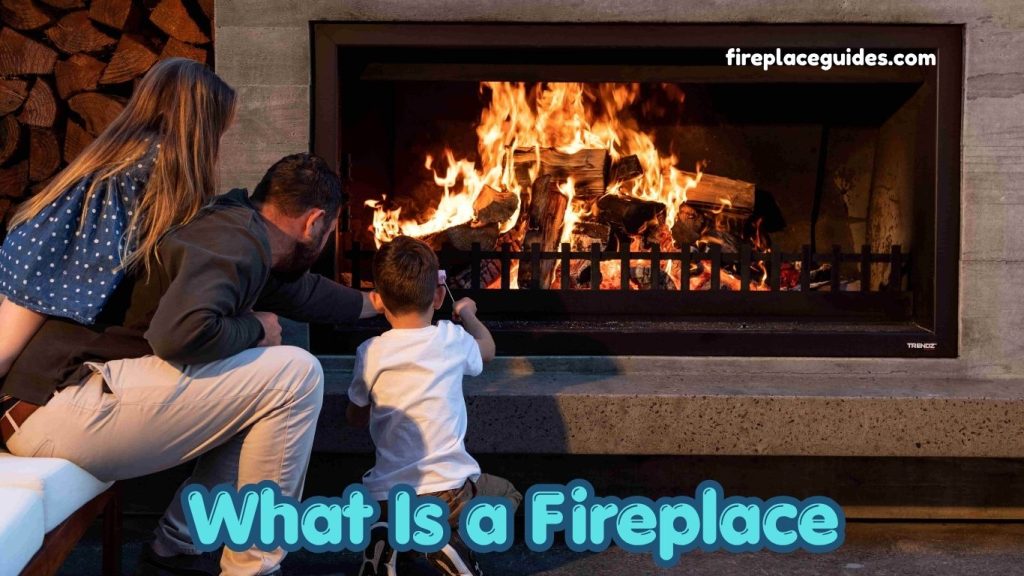
A fireplace is a structural architectural feature designed to contain a fire for heating and ambiance. Today, these systems have evolved from simple wood-burning hearths into highly efficient, clean-burning appliances that serve as both a reliable heat source and a beautiful focal point for any modern home.
When the temperature drops and the frost starts to coat your windows, there is nothing quite like the crackle and glow of a fire. But what is a fireplace exactly, and how does it actually change the environment of your living space? At its heart, a fireplace is a controlled environment designed to house a flame, safely channeling smoke away while radiating heat into your home.
For centuries, the hearth was the center of the household. It was where people cooked, stayed warm, and gathered after a long day. While the technology has certainly shifted, the sentiment remains the same. Whether you have a classic brick chimney or a sleek, wall-mounted electric unit, a fireplace is still the soul of the home. Today, we are looking at how these systems turn a cold house into a cozy sanctuary.
Key Takeaways
- Understanding Fireplaces: A fireplace is a dedicated space for fire, acting as a functional heating unit that adds both warmth and character to a room.
- Diverse Fuel Options: You can choose from traditional wood, natural gas, electric, or pellet-burning models depending on your maintenance preferences.
- Heating Efficiency: Modern fireplace inserts and sealed systems are far more efficient at retaining heat than old-fashioned open masonry hearths.
- Design Versatility: Modern units can be installed almost anywhere, from corner units in apartments to grand floor-to-ceiling stone features in living rooms.
- Safety First: Proper installation, regular chimney cleaning, and routine maintenance are essential to keeping your home warm and safe throughout the winter.
📑 Table of Contents
The Evolution of the Fireplace
In the past, a fireplace was simply a hole in the floor or a stone hearth against a wall. While these provided warmth, they were notoriously inefficient. Much of the heat generated simply escaped up the chimney along with the smoke. Understanding what is a fireplace today means looking at how far we have come from those drafty, masonry-heavy designs.
From Masonry to Modern Inserts
Modern fireplaces focus on heat retention. A fireplace insert, for example, is a firebox made of steel or cast iron that fits into your existing masonry hearth. Because these units are sealed, they prevent the warm air inside your home from being sucked up the chimney. They essentially turn an old, energy-wasting fireplace into a high-performance heater.
Types of Fireplaces for Your Home
If you are wondering what is a fireplace that suits your specific lifestyle, you need to consider fuel sources. There isn’t just one “right” way to burn, but there is definitely a right way for your house. Let’s break down the main categories available to homeowners today.
Wood-Burning Fireplaces
This is the classic choice. Wood-burning units offer that iconic smell and the sound of popping embers. They are great for people who have access to firewood and love the ritual of tending a fire. However, they do require more maintenance, such as regular ash removal and chimney sweeps to prevent creosote buildup.
Gas Fireplaces
If you want the look of a fire without the mess, gas is the gold standard. They can be operated by the flip of a switch or a remote control. You don’t have to haul logs or clean up soot. Modern gas units are also very efficient, providing a steady, reliable source of supplemental heat.
Electric Fireplaces
For apartment dwellers or those who want zero installation hassle, electric is the way to go. These use LED lights and heating elements to mimic a fire. They are the safest option for homes with small children or pets, and they can even be used for their visual effect without generating any heat during the warmer months.
How They Keep Your Home Warm
So, how exactly does a fireplace keep you warm? It relies on two main processes: radiation and convection. When you sit in front of a fire, you feel that deep, penetrating warmth on your skin—that is radiant heat. It travels through the air like sunlight, warming objects and people directly.
The Role of Convection
Convection is the secret to warming the entire room. Many modern fireplace units use fans to pull cold air from the floor, pass it over a hot metal heat exchanger, and blow it back out into the room. This movement of air ensures that the warmth isn’t just trapped in front of the hearth, but circulates throughout your living area.
Choosing the Right Fireplace for Your Lifestyle
Before you commit to a installation, consider your daily routine. Do you want to spend time chopping wood, or do you want a system that starts the moment you walk through the door? If you prioritize aesthetics, an electric unit might be your best bet. If you want a backup heat source in case the power goes out, a wood or gas fireplace is significantly more practical.
Placement and Installation Tips
Think about where you spend your time most. Installing a fireplace in the main living room is a classic choice, but don’t rule out the bedroom or even an enclosed patio. Always ensure you have a professional check your ventilation requirements. Proper airflow is vital to efficiency and safety.
Maintenance and Safety Essentials
Regardless of what is a fireplace in your home, safety is the most important factor. If you burn wood, get your chimney inspected annually. Creosote, a byproduct of burning wood, is highly flammable and can lead to dangerous chimney fires if left unchecked.
Cleanliness is Key
For gas and electric units, maintenance is much lighter. Just keep the glass faces clean and ensure the intake vents are free of dust. A quick dusting once a month is usually all you need to keep your fire looking pristine and operating safely.
A Warm Future for Your Home
A fireplace is more than just a heating appliance. It is a piece of home decor, a gatherer of friends, and a barrier against the winter chill. By understanding how these systems work, you can make an informed decision that adds value to your property and comfort to your life. Whether you choose the rustic charm of wood or the clean simplicity of gas, your fireplace will become the heart of your home for many years to come.
Frequently Asked Questions
Do I need a chimney for all fireplaces?
No, not all fireplaces require a traditional chimney. While wood-burning units need a vent for smoke, many gas and electric fireplaces can be installed using direct-vent systems or even ventless technology in certain areas.
Can a fireplace lower my heating bills?
Yes, they can act as an excellent supplemental heat source. By using “zone heating,” you can warm the room you are currently using rather than turning up the thermostat for the entire house.
Are electric fireplaces safe for children?
Electric fireplaces are very safe because the “flames” are visual effects and do not produce real fire or smoke. Most units also have cool-touch glass, making them a great option for families with pets or young children.
How often should I clean a wood-burning fireplace?
You should have your chimney inspected and professionally cleaned at least once a year. If you use the fireplace very frequently, you may need to clean it more often to prevent the buildup of creosote.
Can I install a fireplace in an apartment?
Electric fireplaces are perfect for apartments because they don’t require gas lines, venting, or a chimney. Simply plug them into a standard outlet and enjoy the warmth.
Is a gas fireplace difficult to maintain?
Gas fireplaces are very low-maintenance compared to wood-burning ones. You should have a professional check the burner and gas lines once a year, but they produce no ash or soot for you to clean up.
Pingback: 5 Best Fireplace Repair Companies Near Me: Expert Service You Can Trust - Fireplace Guides
Pingback: 5 Best Fireplace Mortars for Expert-Grade Repairs and Durability - Fireplace Guides
Pingback: 5 Best Cheap Electric Fireplaces That Look Expensive: Expert Picks - Fireplace Guides
Pingback: 5 Best Choice Fireplaces: Expert Picks for a Cozy and Stylish Home - Fireplace Guides
Pingback: 5 Best Christmas Fireplace Streaming Options for a Cozy Holiday Atmosphere - Fireplace Guides