
Finding the right cement for fire pit projects is essential for both safety and longevity. Whether you are patching up small cracks in your backyard stone setup or building a brand-new refractory brick base, choosing the right material ensures your fire pit stands up to intense heat without crumbling. If you’re currently in the process of upgrading your outdoor space, you might also want to check out our best outdoor fire pit tables for added convenience and style.
Quick Product Comparison
Our Top 5 Cement For Fire Pit Reviews – Expert Tested & Recommended
1. Rutland 64 Oz Refractory Cement
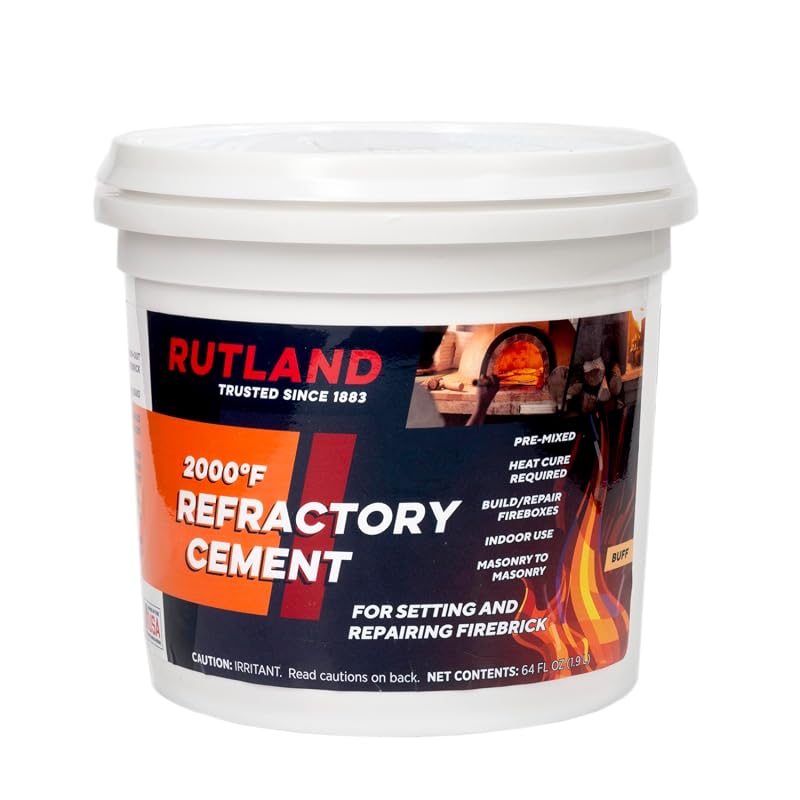
The Rutland 64 oz refractory cement is a reliable, pre-mixed solution perfect for DIY enthusiasts looking to repair minor firebox gaps. It offers a smooth, thick consistency that adheres exceptionally well to masonry surfaces.
Key Features That Stand Out
- ✓ Pre-mixed for immediate application
- ✓ High-temperature rating for safety
- ✓ Excellent adhesion to firebricks
Why We Recommend It
We recommend this product because it removes the guesswork of mixing ratios. It is arguably one of the best fireplace cements for expert level repairs and durability available on the market today.
Best For
Filling small gaps and cracks in existing fireboxes or wood stoves.
Pros and Cons
Pros:
- Easy to use pre-mixed formula
- Professional-grade adhesion
- Great for quick touch-ups
Cons:
- For interior use only
- Smaller quantity compared to industrial bags
Customer Reviews
Customer Review: “Used this to patch up some gaps in my firebrick, and it held up perfectly after several fires. Very easy to work with!”
Customer Review: “Great product for a quick fix. The consistency is perfect and it didn’t crack once it set.”
2. Industrial Grade 5 LB Furnace Cement
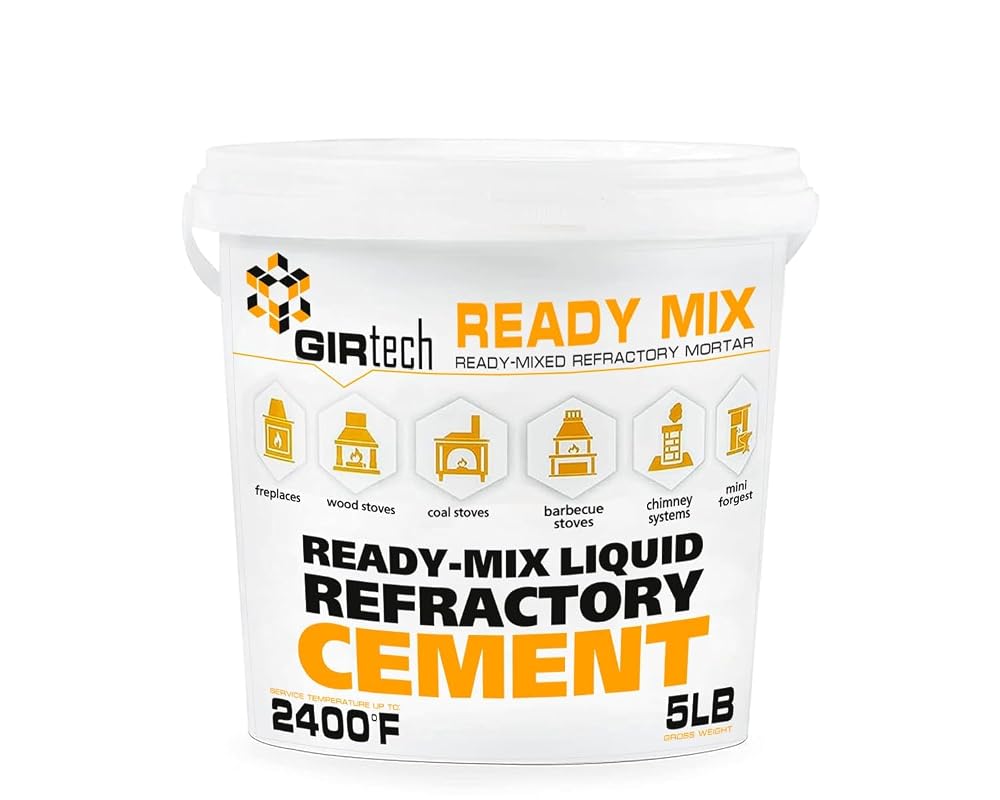
This industrial-grade mortar is a fantastic choice for those working on more demanding projects, such as pizza ovens or heavy-duty fire pits. It is odorless and easy to handle during application.
Key Features That Stand Out
- ✓ Versatile for multiple masonry projects
- ✓ Color-changing feature indicates curing
- ✓ Odorless and user-friendly
Why We Recommend It
We love this for its versatility; it’s robust enough for a brick-built outdoor oven but simple enough for a basic fire pit. Proper maintenance of your outdoor features is key, just like learning how to start a fire in a fireplace with wood efficiently.
Best For
Building pizza ovens and high-heat barbecue fire pits.
Pros and Cons
Pros:
- Professional quality
- Durable once fired
- Good shelf life
Cons:
- Requires proper storage conditions
- Needs firing to reach full strength
Customer Reviews
Customer Review: “Amazing stuff. I used it for my pizza oven build and it has held up against extreme heat with no cracking.”
Customer Review: “Easy to spread and the color transition is a helpful guide. Will definitely buy again.”
3. 10 LBS High-Temp Refractory Mortar
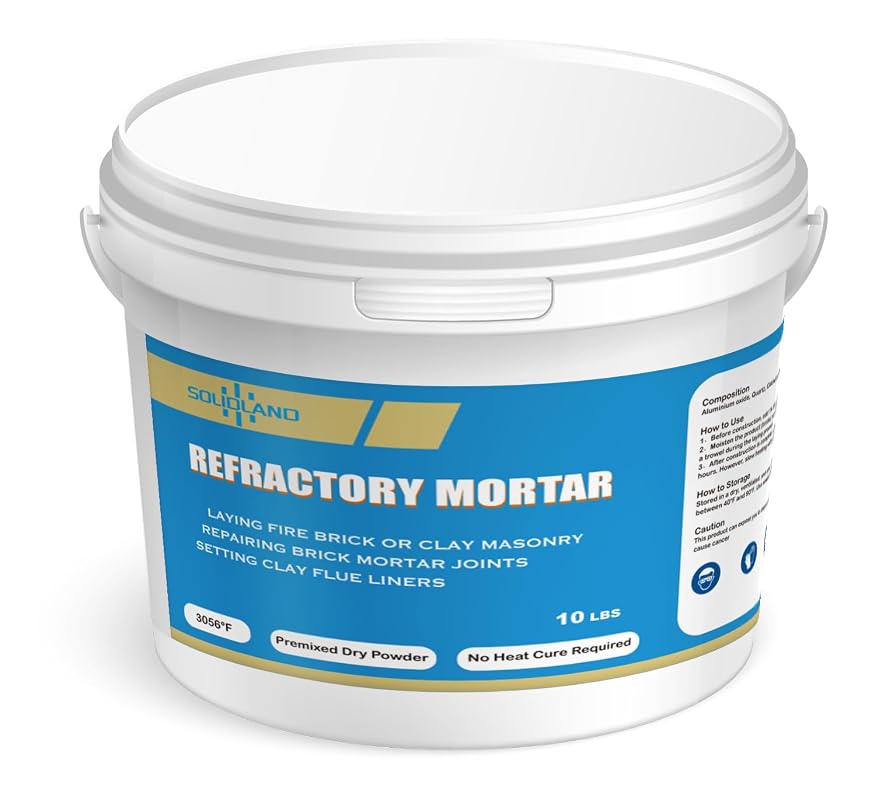
If you are looking for a cost-effective solution for larger projects, this 10 lb dry mix is your best bet. It provides high-temperature resistance while being easy on your wallet.
Key Features That Stand Out
- ✓ Economical 10 lb pack
- ✓ High heat resistance up to 3056°F
- ✓ Easy to mix with water
Why We Recommend It
It is perfect for those who have a larger surface area to cover. You can master the art of the perfect fire with the right supplies, just remember that the base is as important as knowing how to start fire in fireplace setups safely.
Best For
Large masonry repairs and DIY fire pit construction on a budget.
Pros and Cons
Pros:
- Best value for money
- Professional heat threshold
- Stores well as a dry powder
Cons:
- Requires mixing time
- Might be messy for beginners
Customer Reviews
Customer Review: “Great value. I managed to finish my whole fire pit project with one bag and it hasn’t shown any signs of wear.”
Customer Review: “Simple to mix and sets up strong. Perfect for anyone on a budget who needs professional performance.”
4. 10 LB Refractory Cement Dry Mix
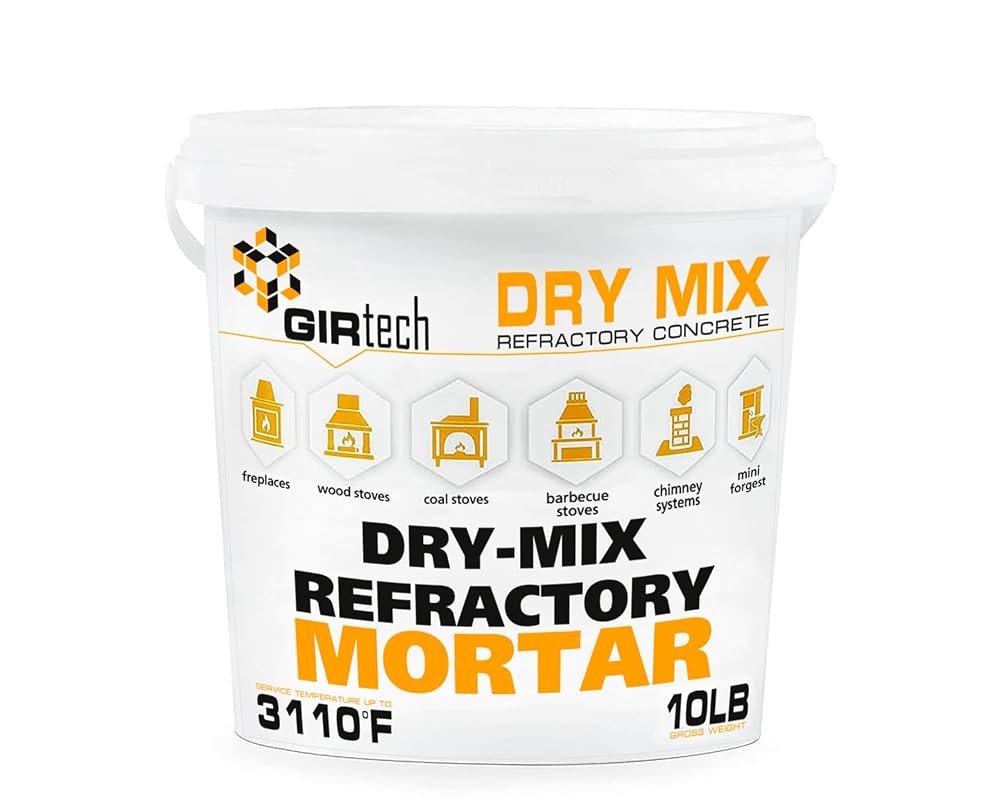
This dry mix is specifically engineered for professional-grade lining, offering extreme heat resistance for your toughest projects. It is a high-performance choice for serious builders.
Key Features That Stand Out
- ✓ Extremely high heat resistance
- ✓ Professional clay-based formula
- ✓ Strong structural integrity
Why We Recommend It
We recommend this for its durability. If you are building a forge or a heavy-duty furnace, this mortar provides the kind of structural strength you need for long-term heat exposure.
Best For
Linings in forges, industrial furnaces, and permanent backyard fire brick structures.
Pros and Cons
Pros:
- Industry-leading heat rating
- Durable clay-based finish
- Ideal for heavy-duty use
Cons:
- Requires patience for curing
- Slightly more technical application
Customer Reviews
Customer Review: “Built a forge with this and it is solid as a rock. Held up perfectly against 2000 degree flames.”
Customer Review: “Professional grade quality. Highly recommend for any serious fire project.”
5. Rutland 12.5 Pound Castable Cement
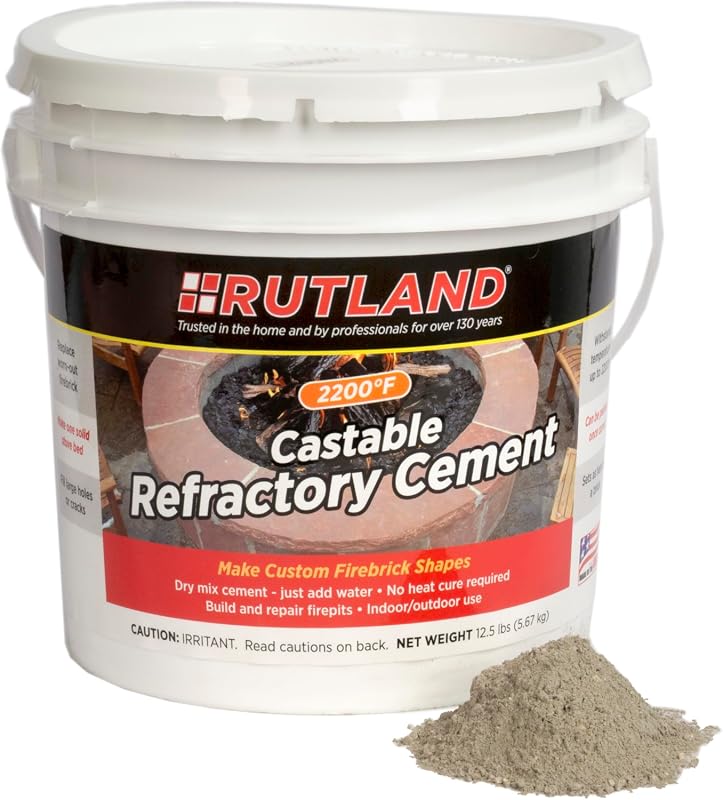
If you need to mold your own bricks or create custom shapes for your fire pit, this castable cement is the ultimate solution. It is remarkably versatile and durable.
Key Features That Stand Out
- ✓ Ideal for custom molding
- ✓ No heat-curing needed for installation
- ✓ Heavy-duty 12.5 lb capacity
Why We Recommend It
We recommend this because it gives you the creative freedom to design your own custom fire feature. It is incredibly convenient because it doesn’t require a high-heat cure before you can use your new build.
Best For
Custom-shaped fire bricks, patching large holes, and unique fireplace designs.
Pros and Cons
Pros:
- Highly castable and versatile
- No complex curing process
- Generous amount of material
Cons:
- Larger bag might be heavy to manage
- Best for specific molding needs
Customer Reviews
Customer Review: “I used this to mold my own corner bricks for a custom fire pit and it worked flawlessly.”
Customer Review: “Great, easy to work with. No heat curing meant I could finish my project over a weekend.”
Complete Buying Guide for Cement For Fire Pit
Essential Factors We Consider
When selecting the right cement, always check the temperature rating. A fire pit generates extreme heat, and using standard mortar can be dangerous as it may crack or shatter. Look for high-heat refractory properties and check if the product is pre-mixed (convenient for small fixes) or dry-mix (best for custom builds). Always ensure the cement is compatible with the material you are using, such as firebrick, stone, or metal.
Budget Planning
For small maintenance tasks, you don’t need to spend much; a 64 oz pre-mixed container is usually perfect. However, if you are building an entire fireplace or oven, investing in a 10 lb or larger dry-mix bag offers better value per pound. Always calculate the volume of your project before buying to avoid overspending on excess materials.
Final Thoughts
Building or repairing your own fire feature is a rewarding project that brings life to your backyard. By choosing the right cement, you ensure that your work survives many seasons of cozy fires. Always follow the manufacturer’s mixing instructions to get the best results!
Frequently Asked Questions
Q: Can I use regular cement for a fire pit?
A: No, absolutely not. Regular concrete can explode when exposed to the intense heat of a fire because of trapped moisture. Always use high-temperature refractory cement specifically designed for fire pits.
Q: Do I need to cure the cement before using the fire pit?
A: Most refractory mortars require a curing period. Some require heat-curing (starting with small fires), while others just need time to air-dry. Always read the specific product label.
Q: How long does refractory cement last?
A: When applied correctly, high-quality refractory cement can last for years. However, if your fire pit is exposed to harsh winter elements without cover, you might need minor touch-ups annually.
Q: What is the difference between furnace cement and refractory mortar?
A: Furnace cement is often used for sealing small cracks and joints, while refractory mortar is designed for laying and bonding entire bricks together. Both are heat-resistant but serve slightly different structural purposes.
Choosing the best cement for fire pit repairs or construction is all about prioritizing heat safety. By following our guide, you can confidently choose the right product and get back to enjoying your warm, outdoor oasis. Don’t forget to protect your investment by keeping your fire pit clean and well-maintained!