
Finding the right cement for fireplace repairs is essential for keeping your home safe and warm. Whether you are dealing with hairline cracks in your firebox or need to re-point crumbling mortar between bricks, using the wrong material can lead to dangerous leaks or structural failure. High-temperature refractory products are specifically engineered to withstand intense heat, ensuring that your fireplace remains a cozy centerpiece rather than a safety hazard. If you are planning a more significant update, you might want to consider who to hire for a fireplace remodel to ensure the job is done perfectly.
Quick Product Comparison
Our Top 5 Cement For Fireplace Reviews – Expert Tested & Recommended
1. Refractory Cement 5lb Dry Mix
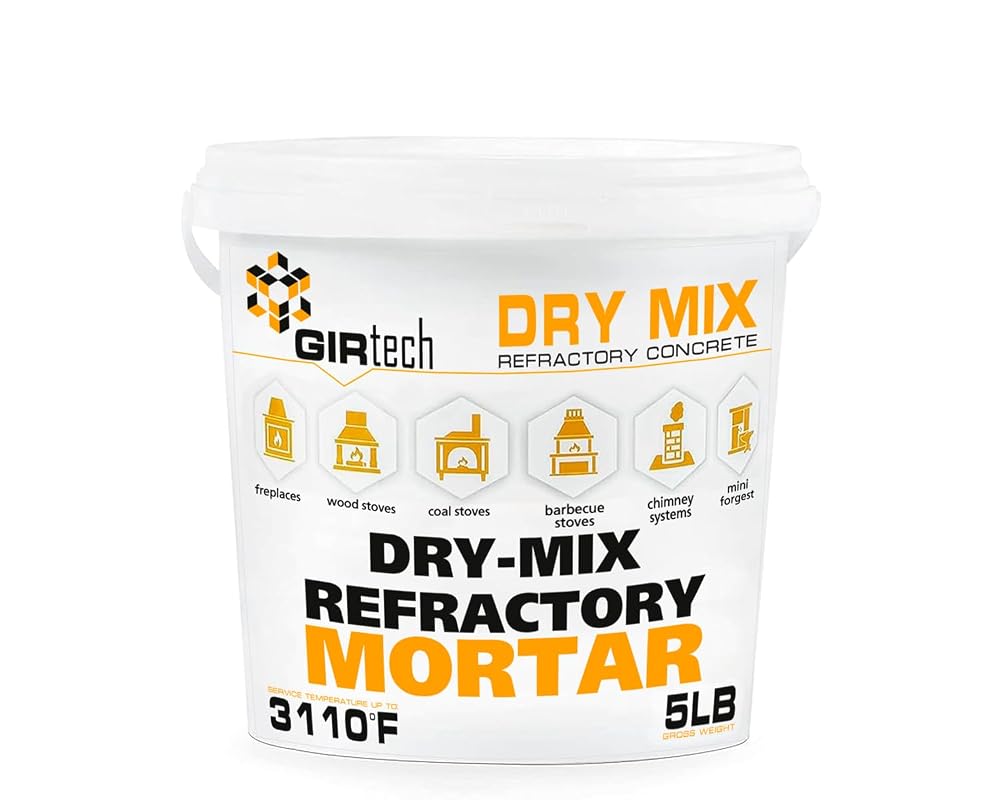
This dry mix offers a professional-grade solution for those looking to perform serious masonry work in their hearth. Once properly fired, it creates an incredibly strong bond that stands up to extreme heat.
Key Features That Stand Out
- ✓ Extreme 3110°F heat resistance
- ✓ Professional-grade clay-based formula
- ✓ Easy to mix with water for a custom consistency
Why We Recommend It
We love this for its structural integrity once cured. It is a fantastic choice if you want to understand how a fireplace works and ensure the internal components are built to last.
Best For
Ideal for DIYers performing deep structural repairs on fireplace masonry and kilns.
Pros and Cons
Pros:
- Industry-leading heat rating
- Very strong bond after firing
- Versatile for various heat-intensive appliances
Cons:
- Requires heat curing to reach full strength
- Dry powder requires a bit of measuring skill
Customer Reviews
Customer Review: “The best mortar I have used for my furnace repair. It holds up perfectly under high heat.”
Customer Review: “Easy to mix and apply. Make sure you follow the firing instructions for a rock-solid finish!”
2. Masonry Refractory Mortar 11lb
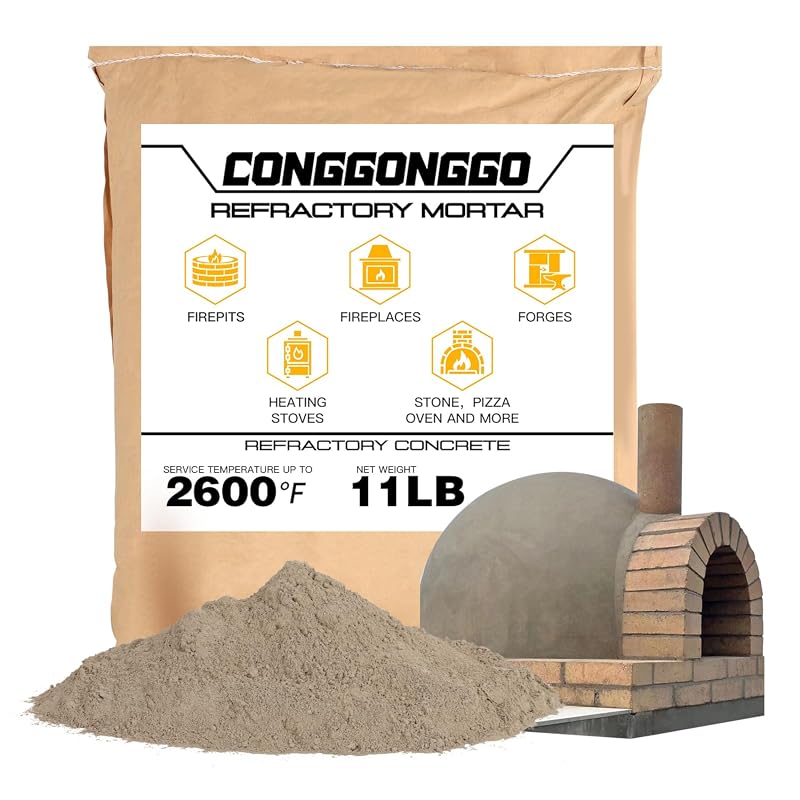
This 11lb mortar is a workhorse for both homeowners and pros. It is specifically designed to handle the thermal expansion and contraction that occurs in fireplaces and pizza ovens.
Key Features That Stand Out
- ✓ Rated for temperatures up to 2600°F
- ✓ Simple add-water formula
- ✓ Versatile for flue tiles and brick repair
Why We Recommend It
The versatility here is unmatched. It is great for those who want to learn how to build a fireplace step by step while keeping their repair kit simple and effective.
Best For
Perfect for general maintenance and patching of fireplace bricks or pizza oven structures.
Pros and Cons
Pros:
- User-friendly for beginners
- Strong adhesion to masonry
- Large 11lb quantity for bigger projects
Cons:
- Packaging could be more resealable
- Requires careful surface preparation
Customer Reviews
Customer Review: “Saved my pizza oven from cracking further. Highly recommend this for any high-temp masonry work.”
Customer Review: “Great mortar. I used it for my fireplace bricks and the seal looks very professional.”
3. Rutland Castable Refractory Cement
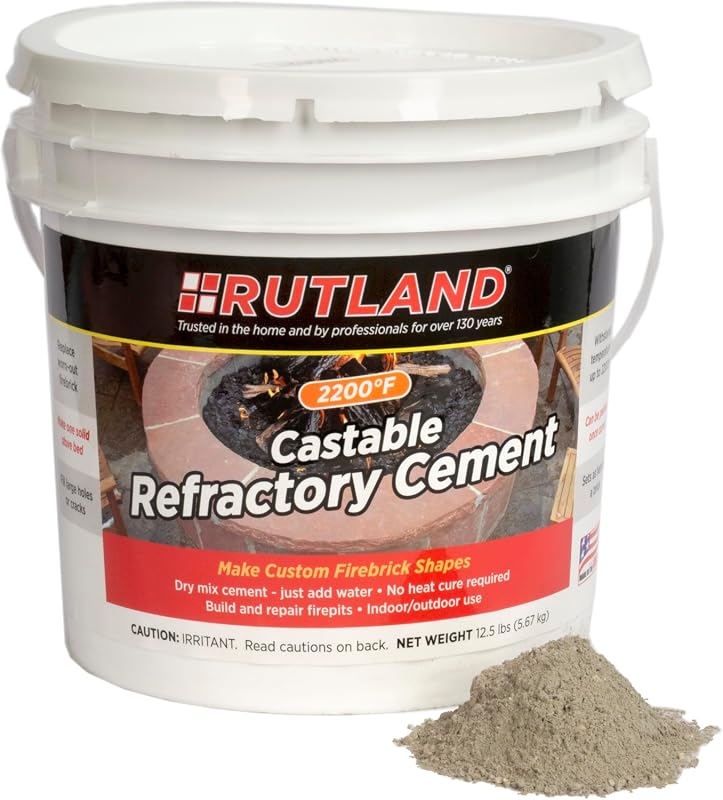
If you are on a budget but refuse to compromise on quality, this is your go-to. It is a reliable, castable cement that makes repairs much less intimidating for the average homeowner.
Key Features That Stand Out
- ✓ No heat cure required
- ✓ Excellent for filling deep cracks
- ✓ Castable for custom firebrick shapes
Why We Recommend It
The convenience of not needing a heat cure is huge. It makes it perfect for quick fixes on indoor woodstoves or outdoor pits before the weekend kicks off.
Best For
Ideal for quick repairs and custom molding where you need results without the extra hassle.
Pros and Cons
Pros:
- Budget-friendly pricing
- Sets well without firing
- Great consistency for molding
Cons:
- May shrink slightly if applied too thick
- Not as heavy-duty as professional mixes
Customer Reviews
Customer Review: “Fixed the cracks in my woodstove in under an hour. Very easy to work with.”
Customer Review: “Great value for the price. It has held up through several fires now.”
4. Professional Furnace Cement 2732°F
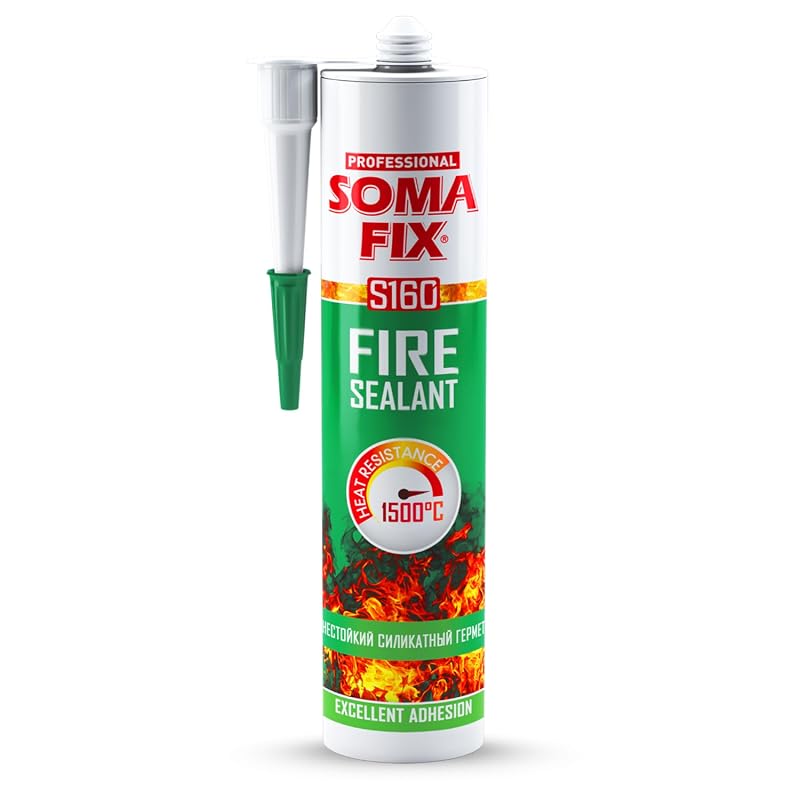
This black furnace cement is designed for speed and durability. It cures into a rock-solid finish, making it the perfect choice for sealing gaps that need to withstand high heat.
Key Features That Stand Out
- ✓ Rated for 2732°F
- ✓ Fast-setting formula
- ✓ Forms a permanent, air-tight seal
Why We Recommend It
When you have a leak in your flue or chimney, you need a fast-acting solution. This product cures quickly, giving you peace of mind almost immediately.
Best For
Sealing and patching high-heat areas in flues and stoves.
Pros and Cons
Pros:
- Fast curing time
- Easy to apply as a paste
- Excellent heat resistance
Cons:
- Not ideal for large structural builds
- Strong scent when first applied
Customer Reviews
Customer Review: “Works exactly as promised. My fireplace seal is tight again.”
Customer Review: “Good, solid cement. Applied easily and dried fast.”
5. Furnace Cement 1 Gal 3000°F
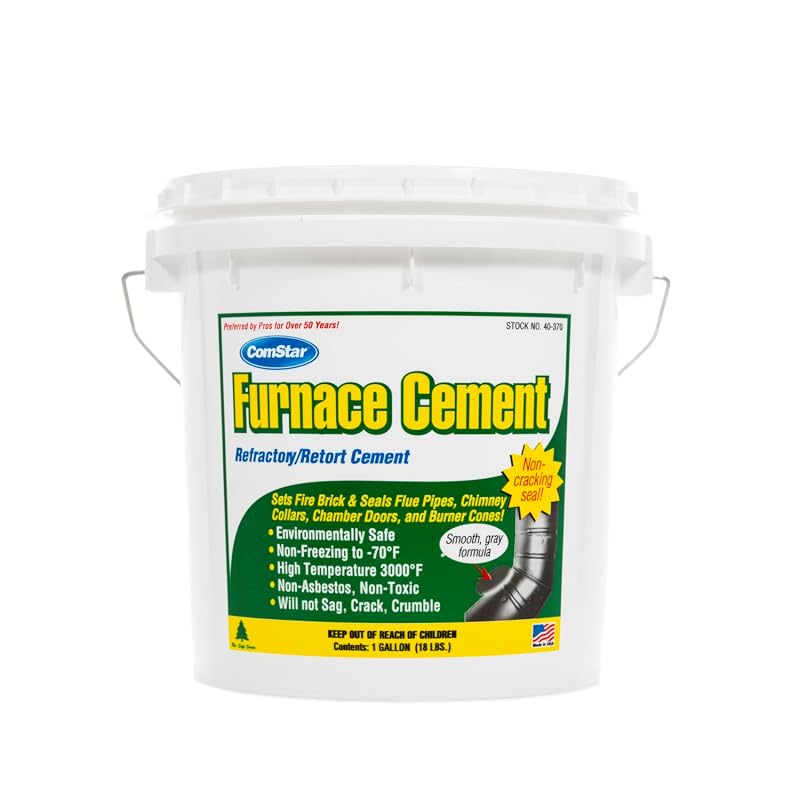
For those larger projects, this 1-gallon tub of pre-mixed cement is a huge time-saver. It is ready to use straight from the tub, eliminating the mess of mixing powder.
Key Features That Stand Out
- ✓ Extreme 3000°F rating
- ✓ No-mix, pre-creamy paste
- ✓ Large volume perfect for big jobs
Why We Recommend It
Convenience and capacity are the highlights here. It’s perfect for those who want a reliable, ready-to-use solution for multiple repairs around the home.
Best For
Large volume repairs and professional-grade sealing projects.
Pros and Cons
Pros:
- Huge quantity for the price
- Ready-to-use saves significant time
- Exceptional thermal resistance
Cons:
- Heavy to move and store
- Can dry out if the lid isn’t sealed perfectly
Customer Reviews
Customer Review: “Great to have a large amount on hand. Perfect for my ongoing fireplace restoration.”
Customer Review: “Professional quality paste. Much easier than mixing bags.”
Complete Buying Guide for Cement For Fireplace
Essential Factors We Consider
When choosing a cement for fireplace, always look at the temperature rating. A rating of at least 2000°F is standard for most residential needs, but higher is always better for durability. You also want to consider whether you need a dry mix that you prepare yourself or a ready-to-use paste, which is better for smaller, quick repairs.
Budget Planning
Small tubes or tubs are very affordable and perfect for one-time fixes. However, if you are doing a large-scale renovation, purchasing in larger buckets is much more cost-effective. Always prioritize safety over saving a few dollars; a high-quality product is an investment in your home’s security.
Final Thoughts
Maintaining your fireplace doesn’t have to be daunting. By selecting the right cement and taking your time during the application process, you can ensure your fireplace remains safe and functional for years. Remember, if you aren’t comfortable with the repair, don’t hesitate to reach out to a professional.
Frequently Asked Questions
Q: Is all fireplace cement the same?
A: No. There is a difference between furnace cement (usually for repairs and sealing) and refractory mortar (designed for structural brickwork). Always check the manufacturer’s label for your specific project.
Q: Do I need to cure the cement with heat?
A: Some products require a low-temperature firing to harden, while others cure via air exposure. Always read the package instructions carefully.
Q: Can I use regular mortar for a fireplace?
A: Absolutely not. Regular mortar cannot withstand the extreme temperatures of a firebox and will likely crack or fail, creating a fire hazard.
Q: How long does the repair take to dry?
A: It varies by brand. Some set in minutes, while others require 24 hours of air drying before a low heat can be introduced.
Choosing the right cement for fireplace maintenance is the most important step in your repair project. Use this guide to select the best product for your needs and keep your hearth in top condition. If your fireplace is beyond simple repairs, remember to check local professionals to assist you. Happy fixing!